
Fly Fishing Shrimp & Scuds
Fly Fishing Shrimp & Scuds …
Scuds are present throughout the entire open water season making them a very important source of trout food. They are particularly useful in the early spring and late fall when forage for other insects is scarce as the main hatches have either yet to start or have already run their course. Their constant presence also makes them a great searching pattern. Read on to learn more about fly fishing shrimp scuds!
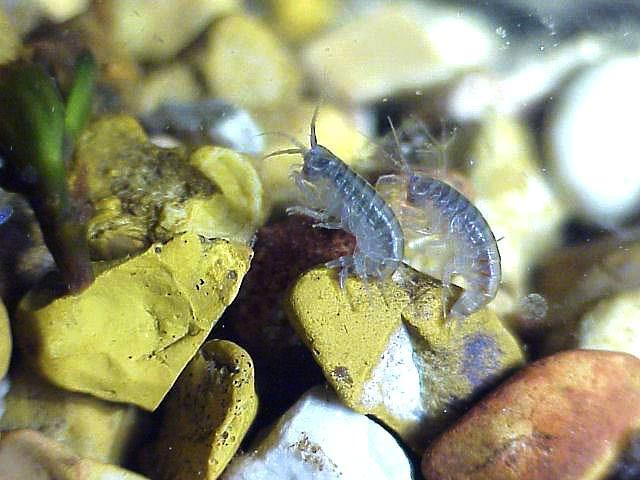

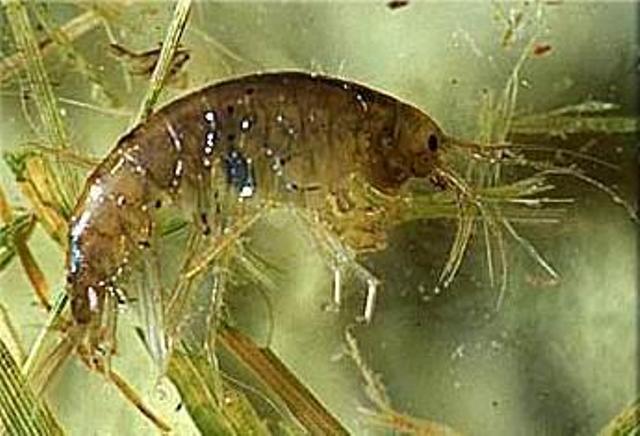

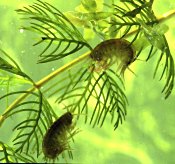 Unlike many other insects the scud has only one fishable life cycle. It does, however, pay to carry a wide variety of sizes and colours enabling you a better chance of matching the natural that the fish are craving at any given time.
Fly Fishing Shrimp | Behavior:
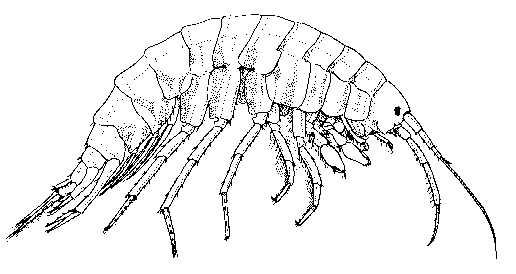
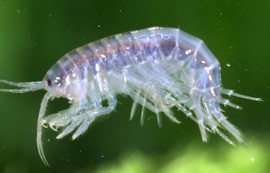
Scuds are crustaceans which form shells over their bodies using calcium from the water. They are always present in productive lakes with clear water. Scuds range in size from tiny to nearly an inch. They live close to the bottom to depths of 25 ft and more and love to forage in the weeds and marl for food. Trout often forage for scuds by swimming slowly with their snouts down in the marl. Scuds are more active in low light conditions and are erratic swimmers. Their coloration is typically that of their habitat.
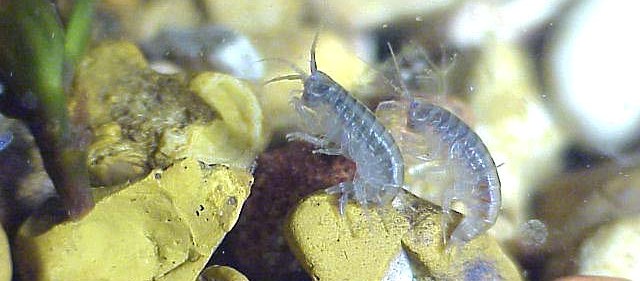
Fly Fishing Shrimp | Freshly Molted Scuds
Fly Fishing Shrimp | When …….
Fish scuds year round as they are always present in lakes that they habitat. They prefer the bottom of the lake favouring the cover of weed beds and marl. Scuds are the most important source of trout food throughout the year and therefore make good searching patterns. Trout significantly target scuds in early spring and late fall when forage for other insects is scarce.
Fly Fishing Shrimp |Presentation
Present scuds near or on weedy and muddy bottoms of shallows, shoals and drop offs. Like the leech, the brighter the day, the deeper the presentation. Imitating the size and color of the natural is critical, use the habitat as a color indicator.
 Floating Line Sinking Fly Method – In water up to 10 ft deep, use a floating line with long leader/tippet. Use either sinking tippet, sinking dressing or a weighted fly to present quickly. Tippet size; 4x – 6x is perfect.
Attach enough tippet to get to the lake bottom. After casting wait until fly settles to the bottom then retrieve.
Sinking Line Method – In water greater than 10 ft, use a sinking line. Type II is perfect for water between 10 & 20 ft. deep.
Cast line along drop offs and let settle to near or on the bottom. Work the fly along slowly with short quick jerks to imitate crawling and swimming among the weeds.
For both methods mix the retrieve with slow pulls of 2 to 6 inches and quick
erratic jerks of 1 to 3 inches, pausing occasionally for 2 to 5 seconds. Keep the fly along a weed bed or muddy bottom. Always vary retrievals and alter the speed until you find what works.
When sight fishing shrimp cast ahead of feeding trout, let the fly settle to their
depth and retrieve when close by.
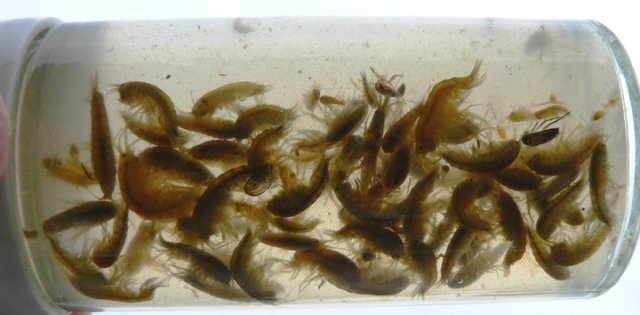
Fly Fishing Shrimp | A Trout Belly Full O Shrimp
Fly Fishing Shrimp |Fly Patterns:
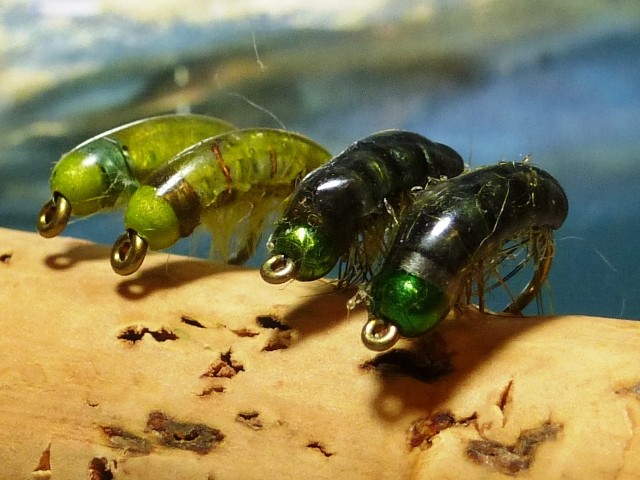
In the stillwaters of the BC interior our favorite scud patterns are tied on #10 – #16 hooks. Our favourite colours are light green, tan, gray, yellow, and dull orange … scuds take on the colour of their habitat so pay attention! 😉
Good commercial patterns include the Werner Shrimp & the Baggy Shrimp.
Fly Fishing Shrimp & Scuds | Fly Patterns:
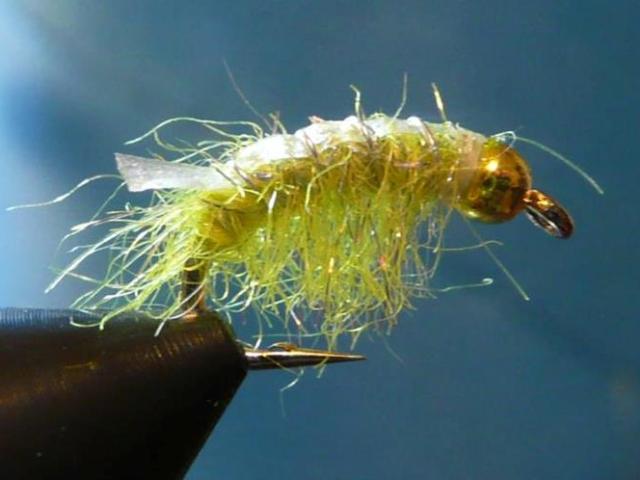
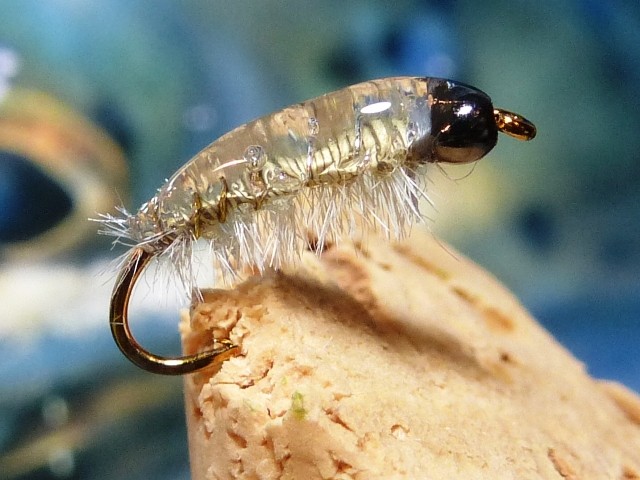
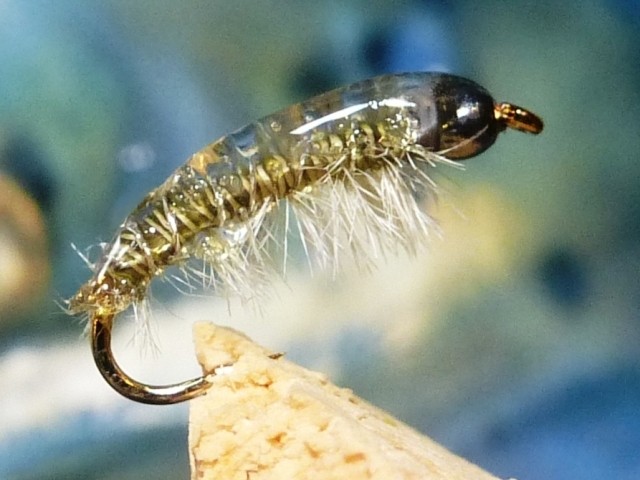
Fly Fishing Shrimp & Scuds | Fly Tying Posts:
- 10 Proven BC Still Water Fly Patterns
- Deb Paskall – Weight Watcher Scud Fly Pattern
- Golden Scud Back Shrimp Fly
- PMS | Parasitic Molting Scud Fly Pattern
Fly Fishing Shrimp & Scuds | Youtube Video Playlist: