
Fly Fishing Leeches
Fly Fishing Leeches
Leeches are present throughout the entire open water season making them a very important source of trout food. They are particularly useful in the early spring and late fall when forage for other insects is scarce as the main hatches have either yet to start or have already run their course. Their constant presence also makes them a great searching pattern.
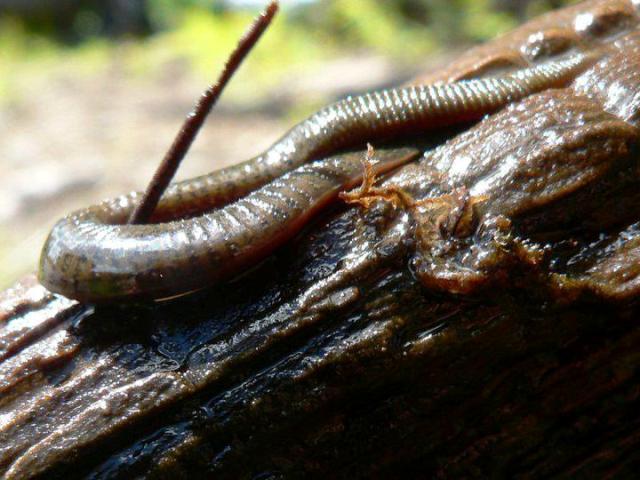


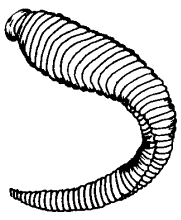 Unlike many other insects the leech has only one fishable life cycle. It does, however, pay to carry a wide variety of sizes and colours enabling you a better chance of matching the particular natural that the fish are craving at any given time.
Fly Fishing Leeches | Behavior
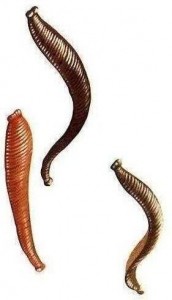
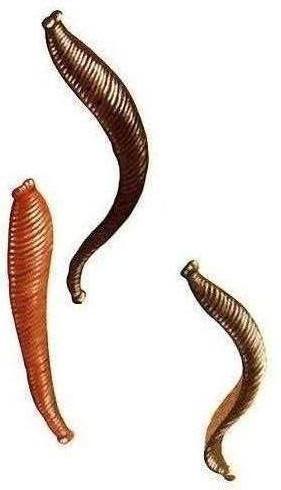
Leeches are worm type organisms. They can grow to lengths of 6 inches or more but the smaller, 1 to 4 inch ones, are most important as trout food.
Leeches are light sensitive and are therefore active in deeper water during the day and are active in the shallows at night. They typically hide during the bright daylight hours of the day.
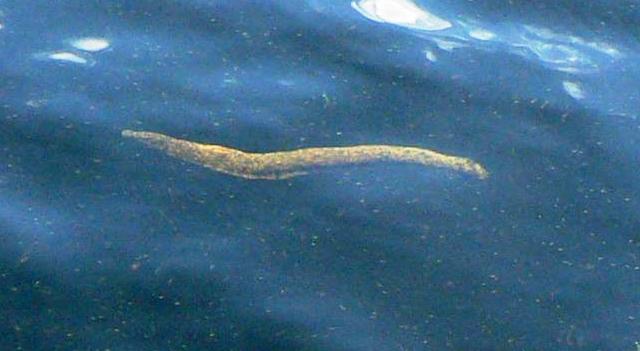
Leeches are scavengers. They hunt for food along the lake bottom and move long in an undulating up and down motion. They prey on insects and other aquatic organisms. Large insect hatches during the day may draw them out to feed, making them more available to trout during the daylight hours.
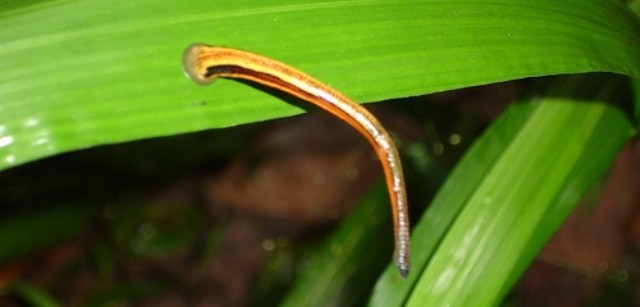
Fly Fishing Leeches | When …
Leeches are present throughout the entire open water season making them a very important source of trout food. Patterns imitating leeches are particularly useful in the early spring and late fall when forage for other insects is scarce as the main hatches have either yet to start or have already run their course. Their constant presence also makes them a great searching pattern. They are the go to fly when nothing else seems to be working. 😉
 Fly Fishing Leeches | Presentation ..
Usually, leech patterns should be presented on or near the lake bottom. In bright conditions, present the fly as deep as 25ft. In lower light conditions, present the fly among the weedy and muddy bottoms of shallows, shoals and drop offs.
Floating Line Sinking Fly Method – Use a floating line with long leader/tippet in shallow water to 10ft. Use either a sinking tippet, a sinking dressing or a weighted fly to enable a quick presentation. Tippets from 3x – 6x are most beneficial. Attach enough tippet to get the fly to the lake bottom and after casting wait until the weighted fly settles to near or on the bottom and then retrieve with slow pulls of 1 to 3 inches, pausing occasionally for 2 to 5 seconds. Try to keep the fly along a weed bed or muddy bottom. Always vary retrievals and alter the speed until you find what is working. During low light conditions double the speed of the retrieve.
… for an effective variation on the floating line sinking fly method check out our article on fishing the micro leech!
Sinking Line Method – In depths of 10ft and greater, cast your line along drop offs and let settle to near or on the bottom. Work the fly along slowly with slow short retrieves to imitate swimming along the bottom. Again, always vary retrievals and alter the speed until you find what is working and during low light conditions double the speed of the retrieve.
When sight fishing with leeches cast ahead of or amongst feeding trout, let the fly settle to their depth and retrieve when close by.
Fly Fishing Leeches | See how they swim …….
Fly Fishing Leeches | Fly Patterns:
In the still waters of the BC interior, we have had the best luck with leeches from 1 to 2 inches in length (micro leeches). At times, however, a larger (up to 4 inch) leech is required.
In both cases our favourite colours are black, brown, many shades of green, gray, tan and maroon. Preferred hook sizes are from 6 to 12.
We find the commercial “Wooly Bugger” and “Marabou Leech” patterns to be very reliable. At times the “Doc Spratley” does the trick nicely.
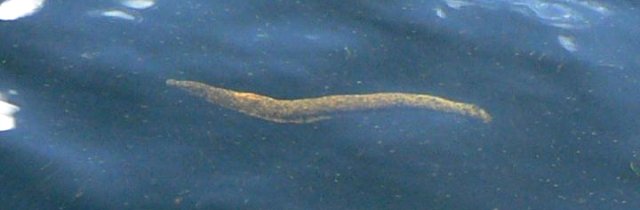
Fly Fishing Leeches | Swimming Leech
Fly Fishing Leeches | Leech Fly Photos:
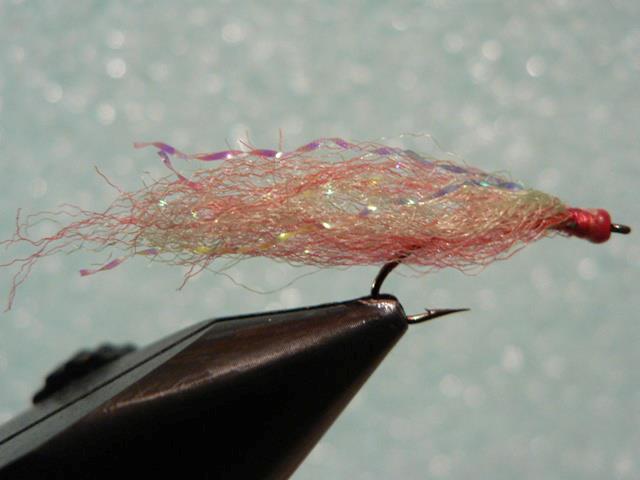
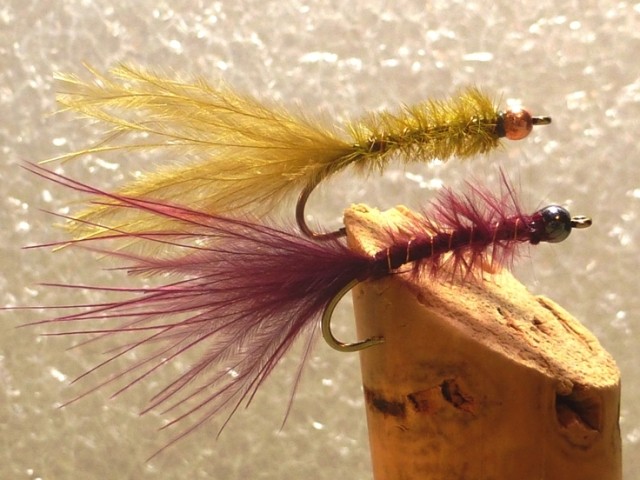
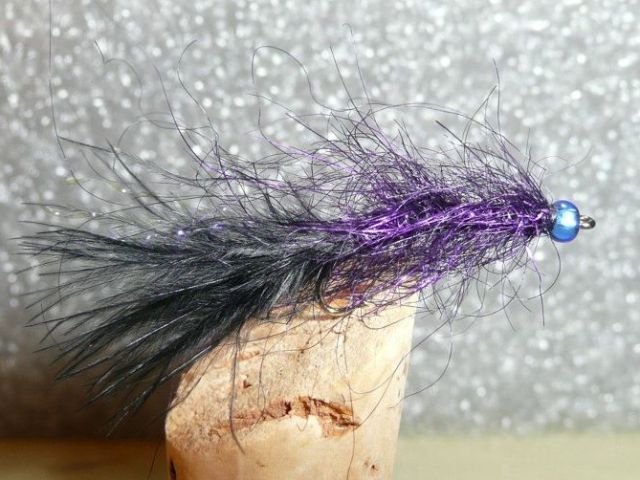

Fly Fishing Leeches | Fly Tying Posts:
- Bipolar Balanced Leech Fly
- Ginger Lamsel | Leech/Damsel Fly Pattern
- KGB Leech Fly Pattern
- Muddled Leech Fly Pattern
- Strip Leech
- Superintendent Sam Steele Blue Leech Fly Pattern
- Triple F Leech Fly Pattern
Fly Fishing Leeches | Youtube Tying Video Playlist: