
Fly Fishing Caddis / Sedges
Fly Fishing Caddis / Sedges …
If you want to be part of some of the best fishing action that the beautiful British Columbia BC Interior still water lakes have to offer, then you absolutely have to learn more about fly fishing caddis sedges! 🙂

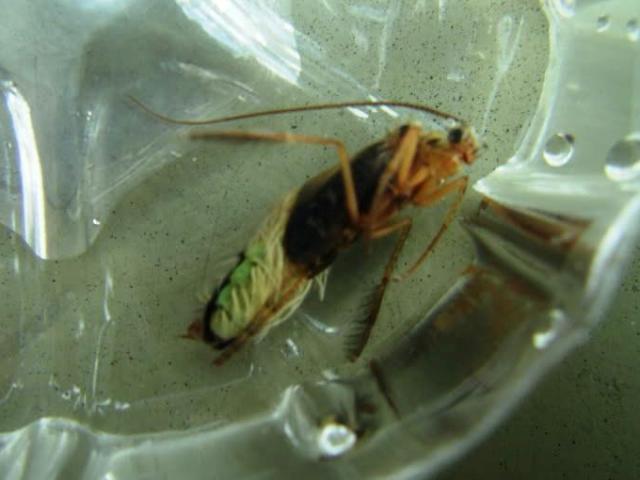
The caddis fly life cycle consists of a full metamorphosis including stages as egg, larva, pupa, and adult. Their life cycle normally takes between six months and two years to complete. All caddis larvae are grub like in appearance having three pairs of thoracic legs, a segmented abdomen, with two hooked pro legs on the last segment. Most larva live in fixed or portable shelters.
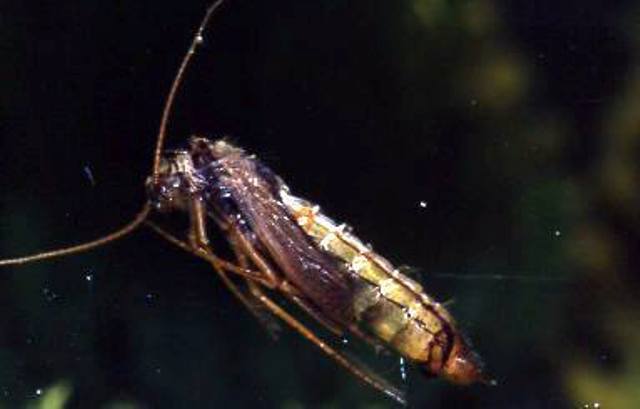
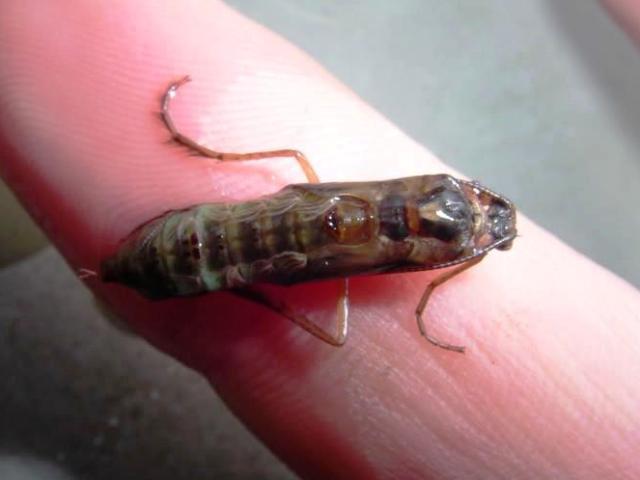
The pupae of all caddis form within a cocoon created by the mature larva. When pupation is complete the caddis pupae use their jaws to cut their way from the cocoon and case and then swim to the surface to emerge, or crawl from the water up plants, stones, or other structures.
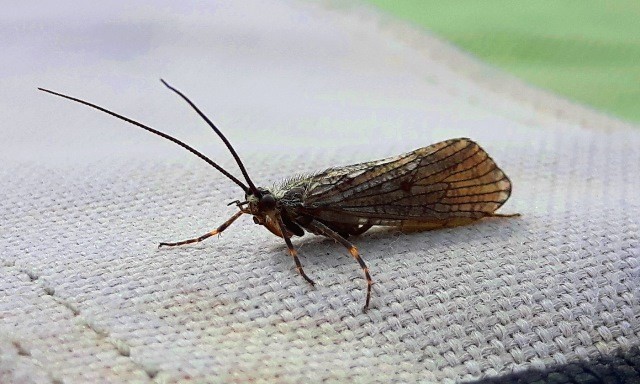
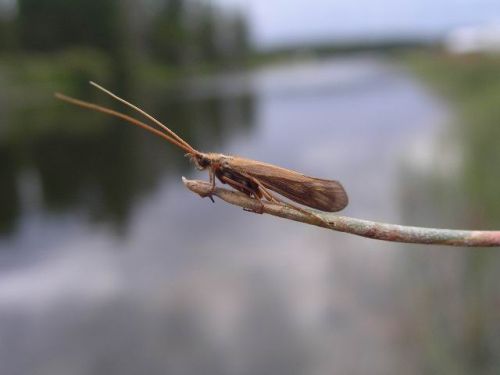
Adult caddis have four hair-covered wings held when at rest like a pitched roof over the body. Most species have long antennae and in general, the adults’ wings are dull in colour. The adult stage of the caddisfly is one of the few insects that cause devoted nymph fishermen to forsake sunken presentations as when the trout is on them the dry fly fishing can be spectacular!
Fly Fishing Caddis / Sedges | Behavior:
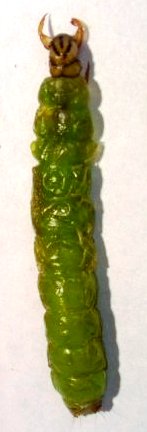 For up to 2 years the larva inhabits rocky shoals and weed beds along the lake bottom. It uses local materials like weeds, pebbles and wood debris to form a protective casing around its worm like body, as it grows it builds a new case or adds to the old one. The larvae forage along the bottom using their long front legs to crawl slowly along & when disturbed they retract head and legs into their casing. Trout eat casing & all.
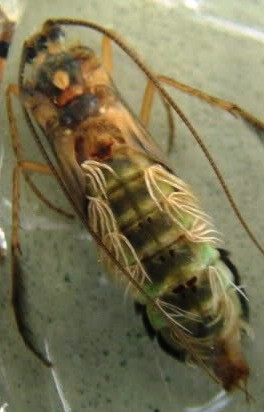
The larvae pu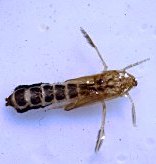 pate in their casing at the bottom of the lake and crawl out from it looking completely different. During this short stage of life it swims quickly in an angle upward using it’s long oar like legs, it’s antenna sweeping backwards the length of the body.
Once free from the pupal shuck the adult will spend a few seconds with it’s wings upright drying, then it folds them down in a tent like shape over the body and begins to jump and scurry across the water surface attempting to fly. Once airborne it flies to the shoreline foliage returning during the day to drink. After mating has occurred the females return to the water surface to deposit their eggs by skimming across the surface. They Are vulnerable to feeding trout during these activities.
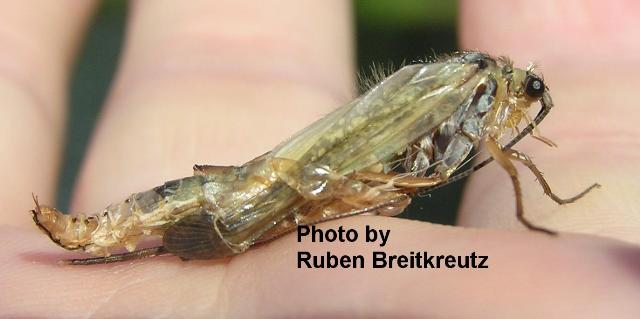
Fly Fishing Caddis Sedges: Emerger
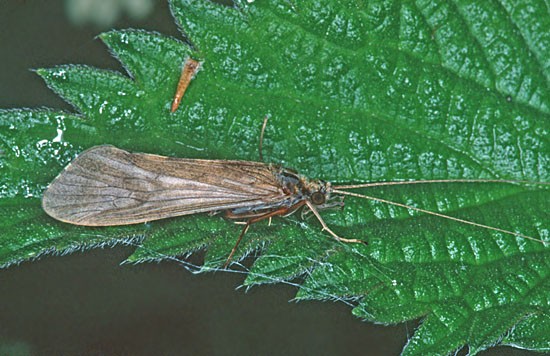
Fly Fishing Caddis Sedges: Adult
Fly Fishing Caddis & Sedges |When to Fish them …
 Larva: Year Round – The larva is always present along the bottom of the lake preferring weed beds and rocky shoals from 2ft to 25ft.
Pupa: Imitate this stage during a hatch – which can happen any time between June to September in the BC interior but seems to peak from mid June to the end of July. The hatches typically occur around mid day, usually last for a couple of hours, and can occur over a number of consecutive days. Watch for empty pupal shucks on the water surface, adult Caddis fluttering near the surface, swooping birds and rising trout.
 Adults: All the books say to resist the urge to fish the dry and continue with the pupa even if you can see that the trout are taking adults on the surface – ya, good luck with that! The flyguys say – once you can verify that the trout are taking caddis adults on the surface – which is not a hard feat to accomplish as the rises and takes are usually very dramatic – swap over to a dry line, a floating adult pattern, mimic the natural and have a blast!
Fly Fishing Caddis & Sedges |Fly Presentation …
Caddis Larvae
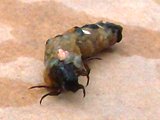 Use a floating Line in up to 10 feet of water. Present Larva patterns on or near weedy bottoms of shallows, shoals and drop offs. Cast and wait for fly to settle on bottom, retrieve very slowly along the bottom to imitate a crawling, foraging larva. Retrieve up to an inch per second with an occasional jerk of 2 to 3 inches then repeat.
Use a sinking line for water over 10 feet deep. Again, present the pattern on or near the bottom. Cast line and let settle to the bottom, retrieve very slowly up to an inch per second with an occasional jerk of 2 to 3 inches.
In both cases the use of a weighted fly helps to present quickly. Tippet sizes from 4x – 6x work well.
Caddis Pupae
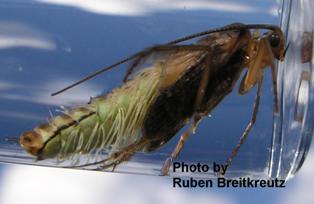 Use a floating Line in up to 10 feet of water. Using a weighted pattern or sink dressing on the fly, cast and let the fly settle to the bottom. Retrieve from in an upward angle with a few short jerks of 2-3 inches then a steady pull of a foot, pause for a few seconds and repeat. If trout are boiling near the surface use an unweighted pattern and present in the surface film or just under, when casting, quarter the wind and let it drift until downwind with occasional twitches, repeat.
Use a sinking line for water over 10 feet deep. Using an unweighted pattern, cast line and let settle to the bottom. Retrieve in an upward angle with a few short jerks of 2-3 inches then a steady pull of a foot, pause for a few seconds and repeat. Always vary your retrievals.
During pupa emergences present the pupa pattern from bottom to surface. Note where the fish are feeding and adjust the depth of presentation. Rising fish indicate a take closer to the surface.
Adult Caddis
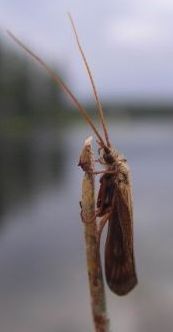 Use a floating line to fish adult caddis. The following methods are productive whenever you find concentrations of rising fish.
In calm conditions cast your line in the path of rising trout. Let it sit for a few seconds then twitch it to create a disturbance on the surface. Follow this with a long pull skating the fly up to 10 ft along the surface leaving a wake in it’s path, then let it sit for a few seconds and repeat.
If conditions are breezy and the trout are still rising, cast quarter to the wind and let it wind drift with twitches until downwind, repeat.
Trout will sometimes boil over the fly to drown it then swing back to take it requiring a delay in setting the hook – this usually takes some getting used to!
Dress adult caddis patterns and tippet with a floatant to help keep them buoyant.
Fly Fishing Caddis & Sedges |Fly Patterns:
Larva: Wooly Bugger, Cased Caddis and Carey patterns, Sizes #8 to #14 in Brown, Tan, Green, Black, Yellow & Grey.
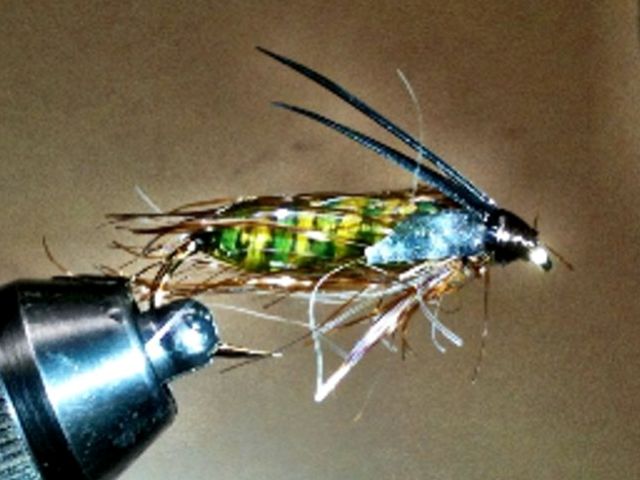
Pupa: Sparkle Caddis Pupa, Emergent Sparkle Pupa, Sizes #12 to #16 in Tan, Brown, Yellow, Green, Black, White & Grey
Adult: Elk Hair Caddis, Deer Hair Caddis, Tom Thumb, Traveler Sedge patterns, Sizes #12 to # 18 in Brown, Cinnamon, Tan, Green, Black, Yellow & Grey
Fly Fishing Caddis/Sedges | Fly Patterns Photos:
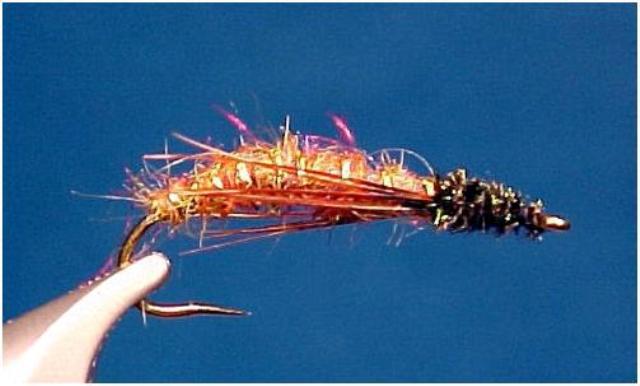
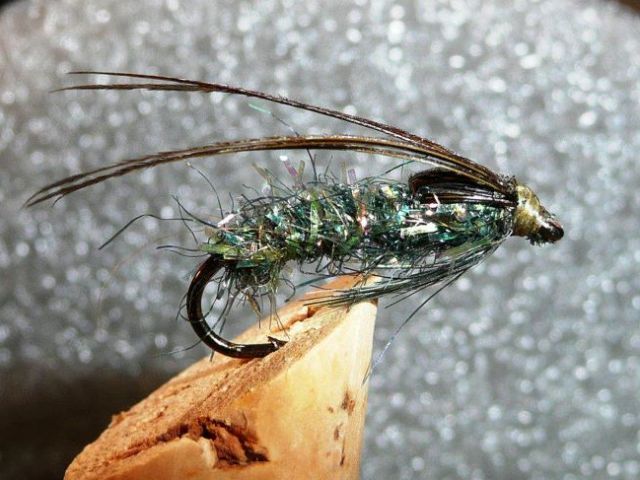
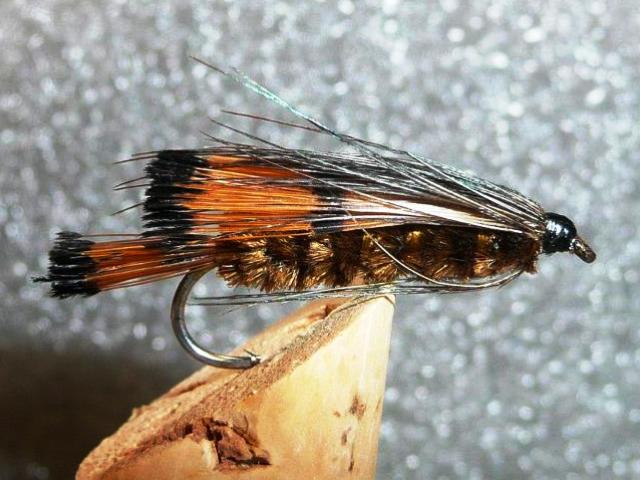
Fly Fishing Caddis/Sedges | Fly Tying Posts:
- Brian Chan Stillwater Caddis Pupa Fly Pattern
- Caddi Melt | Cased Caddis Fly Pattern
- Clear Goo Caddis Pupa Fly Pattern
- Covert Nymph (Threadless) Body Fly Pattern
- Fly Tying on the Dark Side | The Mop Fly
- Green Grass Cased Caddis Fly Pattern
- Green Haze Soft Hackle Caddis Pupa Fly Pattern
- Mikulak Sedge | Traveler Sedge Fly Pattern
- Olive Shuttlecock Emerger Fly
- Sedgehog | CDC Caddis Adult Fly Pattern
- Sharks Caddis Larva Fly Pattern
- Sheridan Lake Sedge Pupa Fly
- Shiney Hiney Caddis Pupa Fly Pattern
Fly Fishing Caddis/Sedges | Youtube Fly Tying Playlist: